Random Facts About Dust
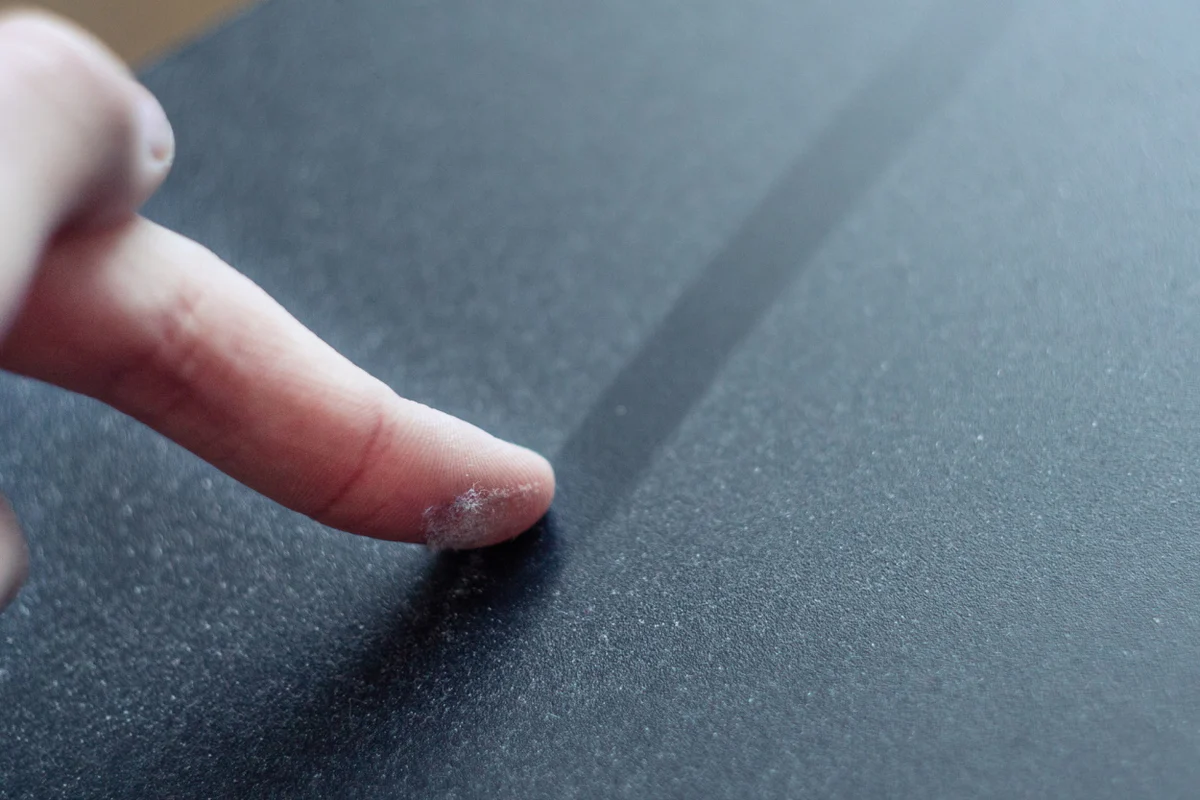
Dust: the substance that appears five minutes after you've finished cleaning and somehow acts surprised to see you.
1. Dust Is Everywhere
Dust can be found almost everywhere on Earth, from the deepest caves to the highest mountains.
Scientists have even found dust in the upper atmosphere and floating over the oceans.
There is no known support group for people trying to permanently get rid of it.
2. Most Household Dust Isn't Dead Skin
A common myth says dust is mostly dead skin cells.
While skin cells do contribute, household dust is usually a mixture of:
- Soil particles
- Fabric fibres
- Pollen
- Pet dander
- Hair
- Insect fragments
- Tiny bits of outdoor dirt
A surprisingly large percentage is simply the outside world sneaking indoors.
3. Some Dust Travelled Thousands of Miles
Huge dust clouds from the Sahara Desert regularly cross the Atlantic Ocean and reach the Americas.
Every now and then, a speck of dust on your windowsill may have had a more interesting travel history than most people.
4. Dust Helps Create Sunsets
Tiny dust particles in the atmosphere scatter sunlight.
This scattering contributes to the beautiful reds, oranges, and pinks often seen during sunrise and sunset.
Dust occasionally compensates for its behaviour by making the sky look pretty.
5. Space Is Full of Dust
Interstellar dust drifts between stars and galaxies.
Much of the material that eventually forms planets, moons, and even living things begins as cosmic dust.
Which means you and the dust bunny under your sofa share a surprisingly ancient family history.
6. Dust Mites Love Your Home
Tiny creatures called dust mites live in many homes.
They feed on organic matter found in dust and are completely invisible to the naked eye.
Fortunately, they are usually harmless.
Unfortunately, knowing they're there changes nothing about the fact that they're there.
7. Dust Can Affect Weather
Large dust storms can influence cloud formation, rainfall patterns, and even hurricane development.
Tiny particles can have surprisingly large effects on the atmosphere.
Nature enjoys reminding us that size isn't everything.
8. Some Dust Is Older Than Earth
Scientists have discovered microscopic grains trapped inside meteorites that are older than our solar system.
These particles existed before Earth was formed.
Talk about refusing to throw anything away.
9. Dust Collects Because of Static Electricity
Many surfaces develop tiny electrical charges that attract dust.
Electronics are particularly good at becoming dust magnets.
Computers spend years calculating complex problems while quietly collecting fluff.
10. The Largest Dust Storms Can Be Seen from Space
Massive dust storms can stretch for hundreds or even thousands of kilometres.
Satellites regularly photograph enormous clouds moving across continents and oceans.
A reminder that dust doesn't always arrive politely.
11. Your House Is Constantly Making Dust
Every movement creates more dust:
- Walking on carpets
- Wearing clothes
- Opening doors
- Fluffing cushions
- Using blankets
Your house is essentially a dust factory with furniture.
12. Dust Can Glow Under Certain Conditions
Certain minerals, pollens, and particles can reflect or scatter light in unusual ways.
Under microscopes, many dust particles are surprisingly colourful and intricate.
A dust speck often looks more impressive up close than the object it landed on.
Bonus Weird Fact 🤔
Researchers estimate that around 40 million tonnes of dust enter Earth's atmosphere every year.
That means right now, somewhere on the planet, dust is embarking on an epic journey while simultaneously settling on your freshly cleaned shelf.
Humans: invent vacuum cleaners, air purifiers, and microfiber cloths.
Dust: returns anyway.
At this point it's less of a substance and more of a philosophy. 🌫️